DEEP DIGGERS
The night-time feeders
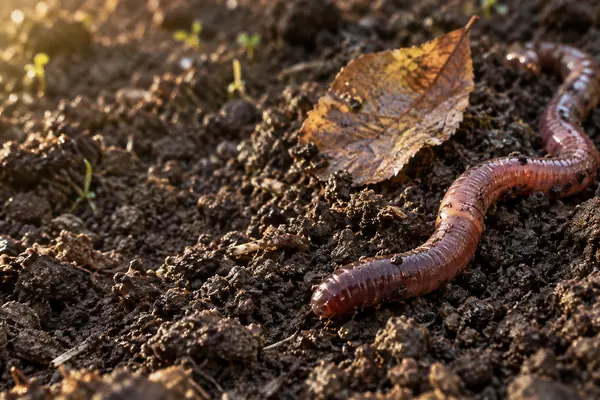
Anecic earthworms such as Lumbricus terrestris make permanent vertical burrows and pull leaves down from the surface, mostly at night.
Meet the three types doodlewiggle
EARTHWORMS, EXPLAINED
Under every lawn and veg bed, earthworms are busy rebuilding the soil.
31 earthworm species in the British Isles
31 Earthworm species in the wild in the British Isles
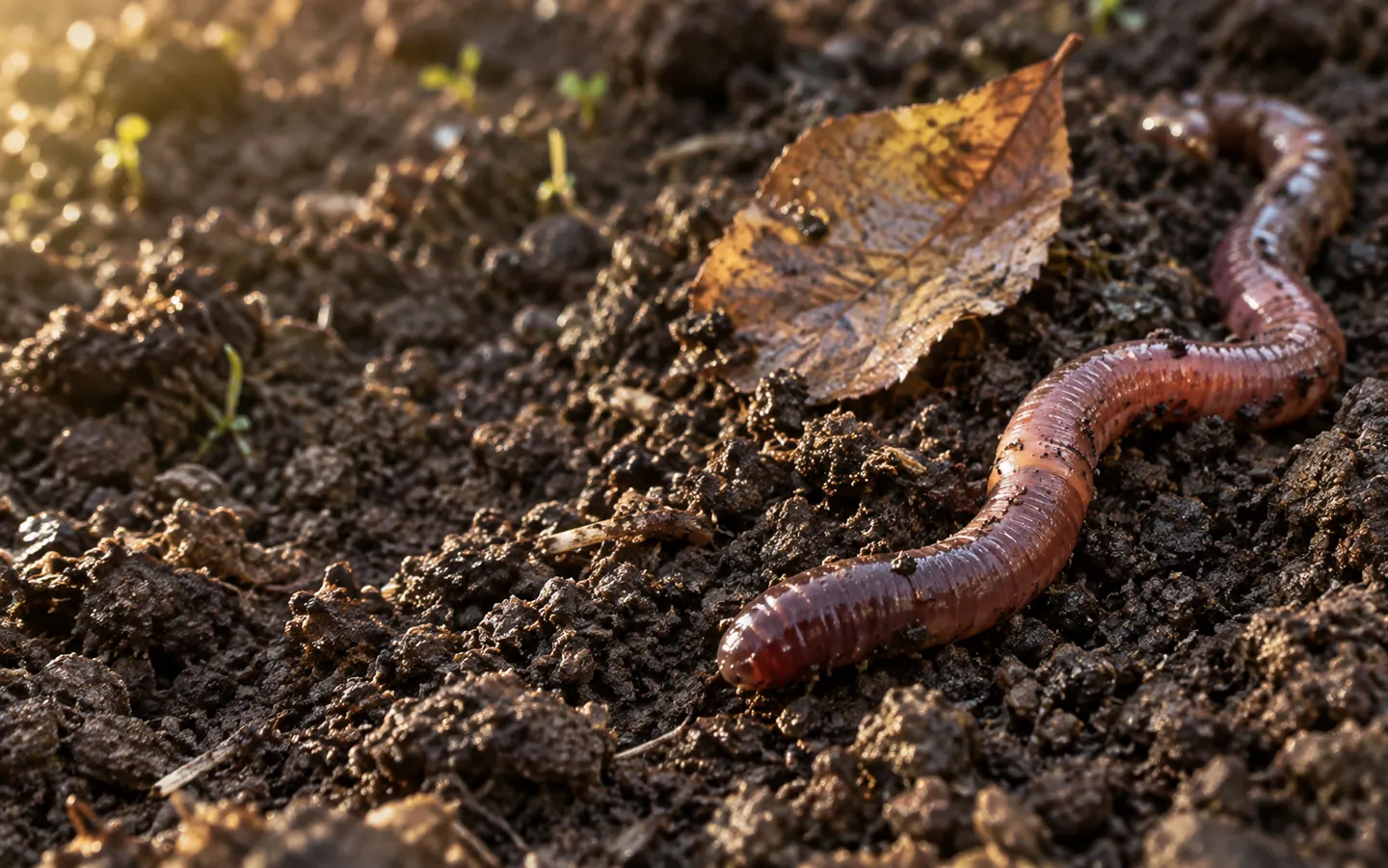
There are 31 species of earthworm in the wild in the British Isles. Some live in leaf litter, some tunnel sideways, and some dig vertical burrows several metres down. A large community survey shows how gardens can help them.
THE SHORT ANSWER
Earthworms are decomposers.
They break down dead plants and open up the soil, each type in its own layer.
DEEP DIGGERS
Anecic earthworms such as Lumbricus terrestris make permanent vertical burrows and pull leaves down from the surface, mostly at night.
Meet the three typesON THE LAWN
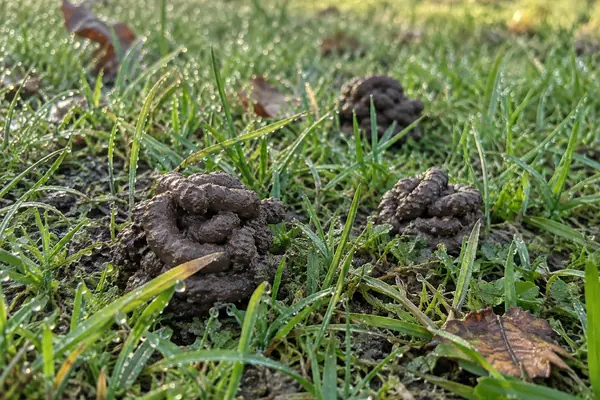
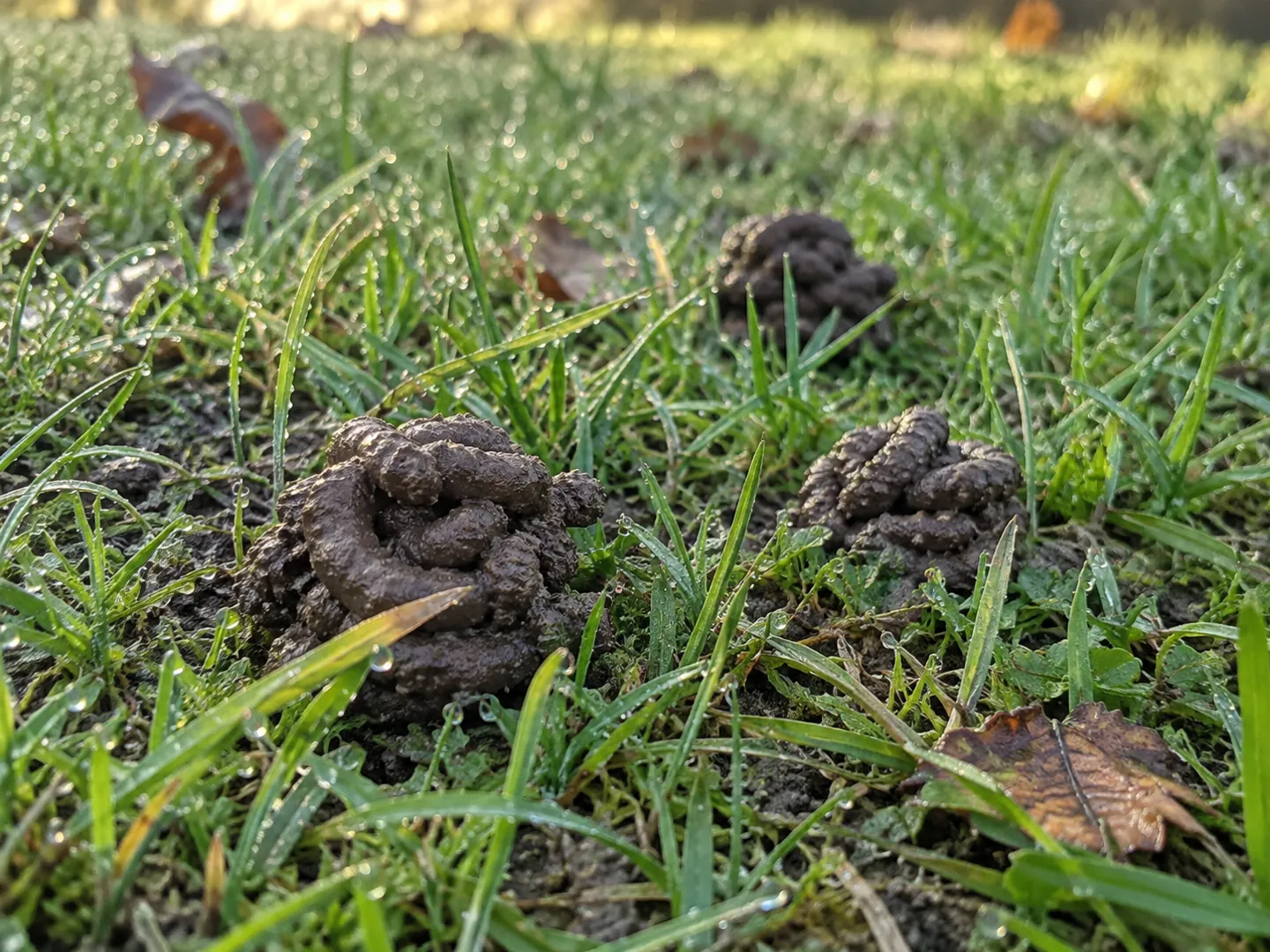
Worm casts are earthworm droppings left at the surface by a few species, mainly September to April. The RHS says they can usually be brushed off when dry.
About worm castsIN THE COMPOST
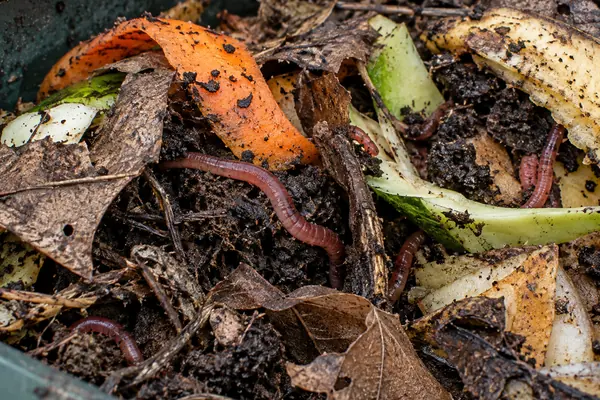
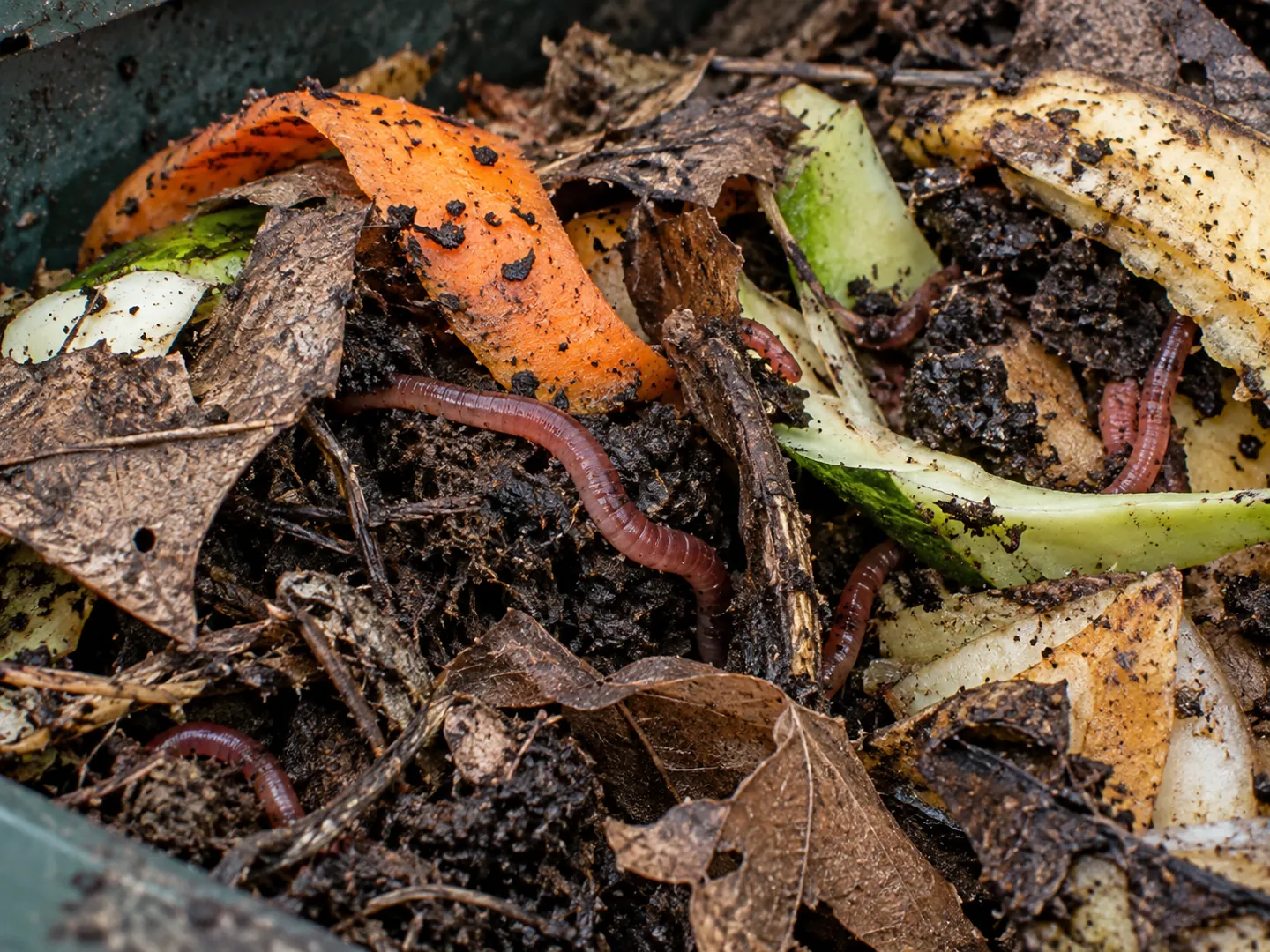
Epigeic worms like Eisenia fetida are small and red and live in leaf litter, dung and compost, breaking down rotting material.
How to help themA QUICK WORM CHECK
Pick where you found it. The bar shows how deep that kind of earthworm usually lives.
Based on the Earthworm Society of Britain, the Natural History Museum and the RHS.
FOUR WAYS TO HELP EARTHWORMS
The Earthworm Watch results suggest a few simple changes that suit both worms and gardeners.
Inorganic fertilisers did not increase earthworms, but organic composts did. Compost and manure give worms food and can offset digging in vegetable plots.
Flowerbeds had fewer earthworms of every kind, possibly because they are dug often. No-dig methods may help.
Leaving dead leaves in place, rather than clearing them away, gives earthworms and other soil life extra food.
Worms preferred gardens with a mix of vegetable beds, shrubs and lawn: deep and shallow burrowers like lawns, surface dwellers like hedges.
TWO NUMBERS WORTH KNOWING
One figure from the national species checklist,
one from how a big survey counted worms.
31
Earthworm species in the wild in the British Isles
The checklist, compiled in 2018, lists 31 species known in natural environments in the British Isles, 29 of them in Great Britain. Identifying them usually needs a microscope and a key.
SPECIES · EARTHWORM SOCIETY OF BRITAIN
up to ½
Deep-living worms that could be missed without mustard water
Earthworm Watch volunteers dug two 20 cm squares 10 cm deep, then poured mustard water on the soil. The mild irritant brings deep worms up without harming them or the soil.
COUNTING · NATURAL HISTORY MUSEUM
Earthworm Watch ran from 2016 to 2018. It found that the average number of earthworms in the UK's urban soils is similar to other areas of Europe.
ABOUT WORM CASTS
The RHS calls worm casts a minor inconvenience compared with the benefits of soil aeration and nutrient recycling, and says casting worms should be tolerated wherever possible. Casts peak in autumn and early spring.
When casts are dry, a wire rake turned teeth-up and swept from side to side spreads them out. Some gardeners even collect casts to use as a potting medium.
Questions
The Earthworm Society of Britain lists 31 species in the wild in the British Isles, 29 of which are known in Great Britain.
It is not fully understood. The theory with most evidence is that worms find it easier to travel across wet ground to find food, new habitats or a mate.
No. The Earthworm Society of Britain says a worm cut behind its saddle may regrow a tail, but the cut-off tail will die.
Usually not. The RHS says they can be brushed off when dry and that the benefits of earthworms for soil far outweigh the inconvenience.
The head is closer to the saddle (clitellum), and an earthworm moves head first, so watch which way it travels.
Updated
ABOUT THIS NAME
doodlewiggle.com is part of the DoodleSale portfolio. It isn't in an auction right now, but you can ask about leasing it.